


Introduction
The American Express Cobalt and Platinum are two of the most powerful rewards cards in Canada – but they’re built for very different stages of your journey.
- 2x points on food & drinks
- 2x points on travel
- 1x points on everything else
The Cobalt is the everyday earning powerhouse: 5x on dining, groceries, and food delivery, flexible Membership Rewards points, and a low monthly fee.
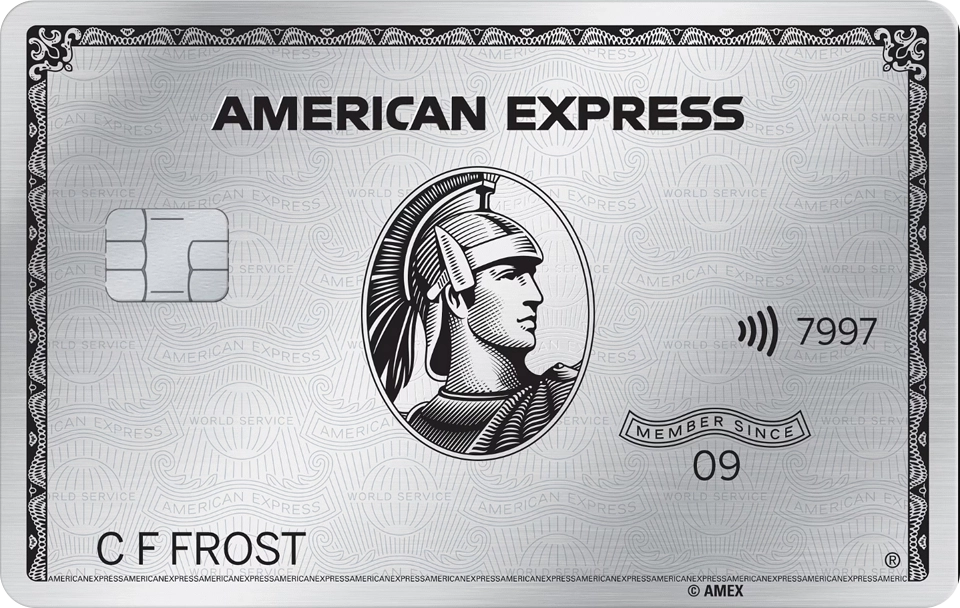
The Platinum is the lifestyle and travel status machine: unlimited lounge access, hotel elite status, concierge service, and a suite of premium insurance benefits that can easily offset its $799/year annual fee if you travel often.
If you’re already carrying the Cobalt, the real question isn’t which card is better? It’s:
When does it make sense to move from Cobalt to Platinum?
And if you’re considering your first premium card, the decision becomes:
Is Platinum worth the jump when Cobalt already earns faster on groceries and dining?
This guide will go beyond the typical “Cobalt earns more, Platinum has lounges” comparison. We’ll explore upgrade timing, bonus history insights, real-life scenarios, and why many Canadians ultimately stack both cards instead of choosing just one.
- 2x points on food & drinks
- 2x points on travel
- 1x points on everything else
Card Details: Side-by-Side Snapshot
| Feature | Amex Cobalt | Amex Platinum |
| Annual Fee | $15.99/month | $799/year |
| Card Material | Plastic | Metal |
| Rewards Currency | Membership Rewards | Membership Rewards |
| Target User | Young professionals, daily spenders | Frequent travellers, premium lifestyle seekers |
Takeaway: The Cobalt is designed for Canadians who want to maximize everyday purchases, while the Platinum is built for frequent travellers who value elite travel perks, insurance, and prestige.

Welcome Bonuses: Where the Upgrade Value Begins
Cobalt
Platinum
PointsWise Welcome Bonus Insight
The Cobalt Card and Platinum Card serve very different purposes, so their welcome bonuses should be judged differently.
Cobalt is usually strongest as a long-term earning card because of its 5x earn rate on food and groceries. Platinum is more offer-sensitive, with a welcome bonus that can significantly change the card’s first-year value.
For the full charts, current offers, and historical welcome bonus data, read our Amex Cobalt Card review and Amex Platinum Card review.
PointsWise Welcome Bonus Insight: Don’t judge these cards by the bonus alone. Cobalt is about everyday earn power, while Platinum becomes more compelling when its welcome bonus lines up with its premium travel benefits.

Decision Framework
Want a reliable but smaller bonus? Go Cobalt.
Want to maximize value and be patient? Time Platinum applications with historical high welcome bonuses.
See our full Amex welcome bonus history.
Card Fees: Low Commitment vs. Premium Buy-In
Cobalt
$15.99/month. $15.99/month - equals $191.88/year. Quebec residents are billed $191.88 annually.
Platinum
$799/year
However, there are offsetting credits for Platinum:
- $200 annual travel credit.
- $200 annual dining credit (new in 2025).
- Unlimited lounge access, easily valued at $400+ if you fly just 2-3 times per year.
For travellers who actually use these perks, the Platinum’s real cost drops closer to $350-$400.
Learn More: Could a refresh be coming to the Amex Platinum in Canada?
- 2x points on food & drinks
- 2x points on travel
- 1x points on everything else

Benefits & Insurance: Perks vs. Protection
Platinum
Platinum includes all of Cobalt’s benefits except Mobile Device Insurance, and adds:
Unlimited Lounge Access
Skip crowded gates with Centurion and Priority Pass lounges. Hot meals, premium drinks, and quiet workspaces can easily add $50-$100 of value per visit. Two or three trips a year can cover a big portion of the annual fee.
Curious what Platinum lounge access actually looks like in real life? Here’s the full Canadian guide to Platinum airport lounges.
Hotel Elite Status
Marriott Gold gives upgrades and late checkout, while Hilton Gold adds free breakfast – often $50+ per stay. A week-long trip in Europe can save $300-$400 just on dining.
Premium Insurance
Platinum comes with some of the most comprehensive travel coverage of any Canadian card. From trip cancellation and interruption to emergency medical, baggage delay/loss, and car rental theft/damage, a single incident can turn into thousands of dollars saved. A cancelled flight or lost bag is a reimbursed expense with the Platinum Card.
Concierge & Experiences
From concert tickets to hard-to-book restaurants, Platinum’s concierge and dining program provide access, not just savings.
Fine Hotels & Resorts (FHR)
Book through FHR and you get free breakfast, late checkout, upgrades, and $100 USD credit. A single weekend at a luxury property like the Fairmont Pacific Rim can return $300+ in extra perks.
Cobalt
Amex Offers
Targeted statement credits pop up year-round – $50 back on $200 at Amazon, 10% off at Indigo, or savings at dining chains. Stack a few of these and you’ve quietly earned back most of the card’s annual fee.
Front of the Line Access
Want early tickets to a big concert at Scotiabank Arena or presale seats for Cirque du Soleil? Cobalt cardholders can buy before the general public – Amex Front of the Line presale access is priceless if you’ve ever sat in the nosebleeds.
Learn More: How to Get the Best Concert Seats with Amex Presales
Mobile Device Insurance
Covers theft or damage on new phones up to $1,000. Drop your iPhone and crack the screen? Repairs can cost $600+. With Cobalt, that’s covered.
Travel & Shopping Insurance
Cobalt includes solid mid-tier coverage that helps with the most common travel mishaps. Flight and baggage delay benefits cover meals and essentials, while car rental theft and damage protection can save you from costly repair bills. It won’t match Platinum’s premium coverage, but for everyday travellers it reduces the risk of out-of-pocket surprises.
Real-World Impact
With Platinum, missing a flight due to weather could mean a fully covered hotel stay and meals.
Cobalt’s standout perk is Mobile Device Insurance – up to $1,000 for theft or damage. This coverage is not available on the Platinum Card, making it one of the few benefits that distinguishes the Cobalt.
An advantage for both cards is access to recurring promos like the Amex Additional Card Offer.
Reward Rates: Where the Math Matters
| Spend Category | Cobalt | Platinum |
| Dining & Groceries | 5x (up to $2,500/month) | 3x |
| Streaming | 3x | N/A |
| Gas & Transit | 2x | 2x (on travel) |
| Flights & Hotels | 1x | 3x |
| Everything Else | 1x | 1x |
Scenario Analysis
Scenario 1 – The Everyday Earner
- Spend: $1,000/month groceries + $300 dining.
- Cobalt: ~78,000 MR points/year.
- Platinum: ~39,000 MR points/year.
- Who Wins?: Cobalt earns double.
Scenario 2 – The Frequent Flyer
- Spend: $5,000/year on flights and hotels.
- Cobalt: 5,000 MR points.
- Platinum: 15,000 MR points.
- Who Wins?: Platinum triples the earn rate here – and adds lounge savings and elite hotel perks.
Scenario 3 – The Heavy Spender
- $2,000/month groceries + dining.
- Cobalt: 120,000 MR points annually (capped at $2,500/month at 5x).
- Platinum: 72,000 MR points.
- Who Wins?: Cobalt dominates if your lifestyle revolves around food spending.
Scenario 4 – The Hybrid
- $1,000 groceries + $300 dining + $5,000 travel.
- Cobalt only: 83,000 MR.
- Platinum only: 54,000 MR.
- Cobalt + Platinum stacked: ~98,000 MR (maximizing both categories).
- Who Wins?: Owning both cards is often the most powerful play.
Five-Year Perspective:
- Stick with Cobalt for 5 years at $1,300/month dining + groceries = ~390K MR points.
- Platinum at same spend = ~195K MR points, but add in 2x high welcome bonuses in 5 years and it swings the balance.
Referral Bonuses
Cobalt
5,000 points per referral, up to 75,000 annually.
Platinum
15,000 points per referral, up to 225,000 annually.
If you’re in a position to refer friends or family, Platinum’s referral program alone can be worth thousands in travel each year. For influencers or those with large networks, this is a hidden driver of Platinum’s long-term value.
Redemption Power: Same Currency, Different Playbooks
Both cards earn flexible Membership Rewards points, transferable to:
- Aeroplan (1:1)
- Avios (Alaska Airlines/British Airways/Iberia) (1:1)
- Marriott Bonvoy (1:1.2)
- Hilton Honors (1:1)
- All Accor (2:1)
Both cards earn transferable Membership Rewards points, including the new option to transfer points to ALL Accor. Platinum also adds complimentary ALL Gold status once the Canadian benefit launches. See how the Amex-to-Accor transfer partnership works.
The redemption options are identical, the difference is how you earn them:
Cobalt Strategy
Leverage 5x on food and groceries to build points quickly from everyday spend. Great for economy flights, domestic trips, or hotel stays.
Platinum Strategy
Capitalize on massive welcome bonuses and 3x on travel. Perfect for business class flights and luxury hotels where one redemption can be worth thousands.
Example Redemptions
Vancouver-Toronto round-trip in economy:
~25,000 MR via Aeroplan (cash value ~$500+).
Toronto-London in business class:
~75,000 MR via Aeroplan (cash value $3,000+).
ANA Business Class Tokyo-Vancouver:
~75,000 MR via Avios partner booking (value ~$5,000+).
5-night stay in Montreal:
Transfer 60,000 MR to ~72,000 Bonvoy points, thanks to Marriott’s 5th-night-free policy.
Go for the couples stacking strategy: One holds Cobalt for everyday earnings, the other holds Platinum for perks. With a shared points pool you’ll have faster access to business and first class flights.
Hidden Costs
FX Fees
Both cards charge 2.5% on non-Canadian purchases. A $5,000 USD trip = ~$125 in fees.
Acceptance
Amex is less accepted at Costco, some grocery stores and some small retailers.
Platinum blind spot
If you don’t travel often, it becomes an expensive card with lower earn rates.
Forgotten credits
If you don’t use Platinum’s $200 dining or travel credit, you’re effectively paying $200 more each year.
Approval Odds
If you’re applying for a new Amex card rather than upgrading, here’s how to get approved for an Amex card in Canada. Also learn about Amex’s “Apply with Confidence” process where you can get an instant decision with no impact to your credit score.
Which Personality Fits You?
The Everyday Earner (Cobalt)
Emma, 29, a downtown Toronto tech worker. Spends $1,200/month on groceries, dining, and UberEats. Rarely travels more than once or twice per year. The Cobalt racks up over 90K points annually for her – enough for flights to Vancouver or hotel stays. Platinum would be overkill.
The Frequent Flyer (Platinum)
David, 42, a consultant flying Toronto-New York twice a month. Lounges, insurance, and hotel perks easily save him $1,000+ annually. Platinum pays for itself in comfort and convenience.
The Hybrid (Cobalt + Platinum)
Jas and Priya, a couple in Vancouver. Jas uses Cobalt for groceries and dining, earning ~100K MR annually. Priya carries Platinum for travel perks, lounges, and hotel upgrades. Together, they stack rewards and lifestyle benefits far beyond what either card could do alone.
- 2x points on food & drinks
- 2x points on travel
- 1x points on everything else

Conclusion: It’s Not Either/Or
The real question isn’t “Cobalt or Platinum?” but:
“Am I ready to upgrade?”
If you’re still building your points game and value maximum everyday earning rates, Cobalt is unbeatable.
If you’re travelling often and want premium perks and insurance, Platinum will make sense for you.
And for many Canadians, the best strategy is stacking both – Cobalt for earning, Platinum for redeeming and travel status.
Still deciding?
Read the full reviews:
Or check out these other articles:
